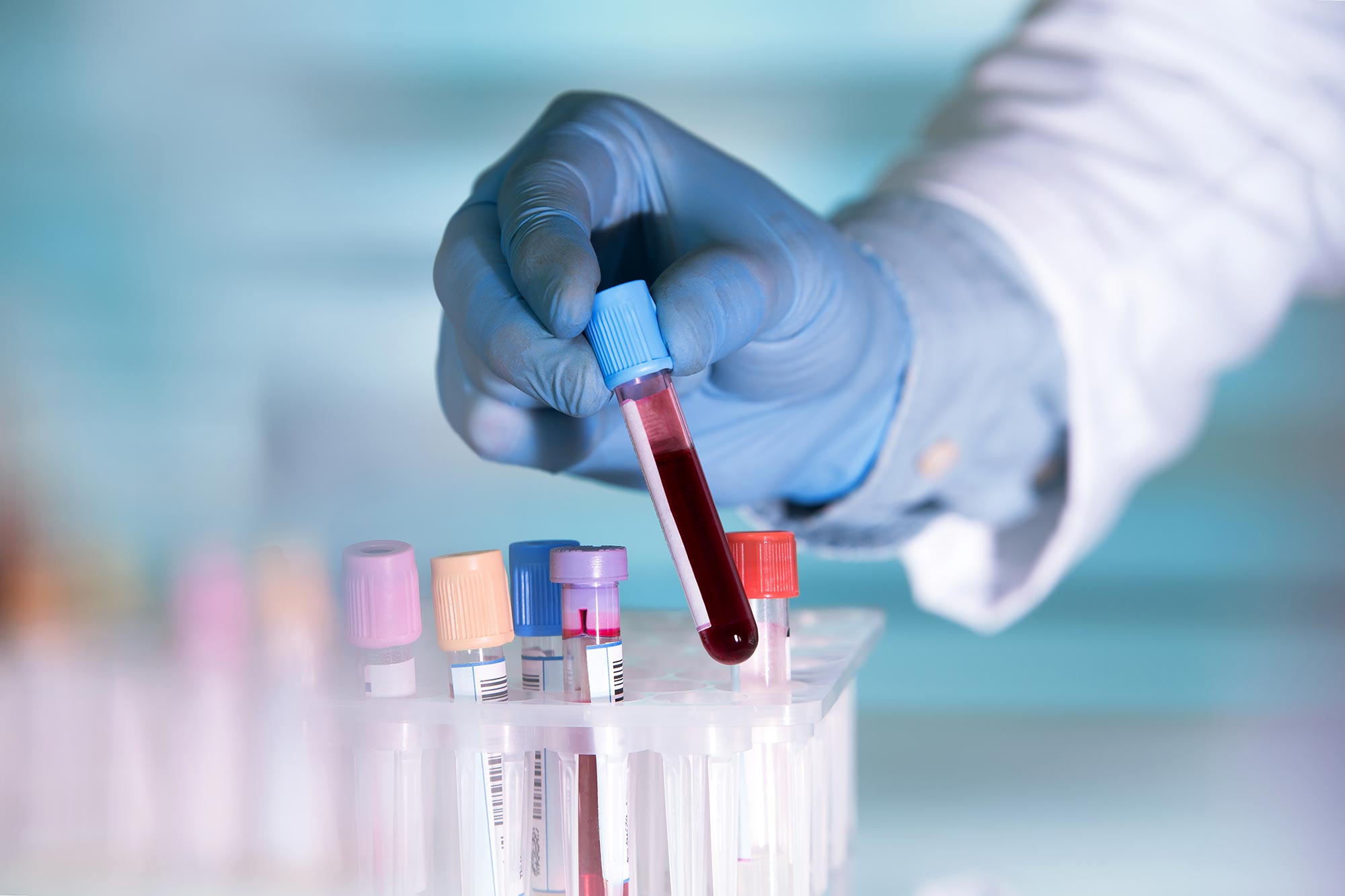
Scientists at Chalmers College of Expertise in Sweden have recognized organic markers that seem on the very starting of Parkinson’s illness, earlier than in depth injury happens within the mind. These early adjustments depart measurable traces within the blood, however solely throughout a restricted timeframe. The findings reveal a short however essential alternative for each early analysis and future remedy. Researchers imagine blood exams primarily based on this discovery may start to be evaluated in healthcare settings inside 5 years.
Parkinson’s Illness Instances Anticipated to Surge
Parkinson’s illness impacts greater than 10 million folks worldwide and is taken into account an endemic situation. As world life expectancy rises, that quantity is projected to greater than double by 2050. Regardless of its rising prevalence, there may be at the moment no remedy and no established screening check that may reliably detect Parkinson’s earlier than vital mind injury has already occurred.
New Research Marks Progress Towards Early Prognosis
The brand new analysis, revealed in npj Parkinson’s Illness, was performed by scientists from Chalmers College of Expertise and Oslo College Hospital in Norway. The research represents a big step towards diagnosing Parkinson’s throughout its earliest section.
“By the point the motor signs of Parkinson’s illness seem, 50-80 % of the related mind cells are sometimes already broken or gone. The research is a vital step in direction of facilitating early identification of the illness and counteracting its development earlier than it has gone this far,” says Danish Anwer, a doctoral pupil on the Division of Life Sciences at Chalmers and the research’s first writer.
A Lengthy Early Part Earlier than Signs Seem
Parkinson’s illness develops steadily. The earliest section can last as long as 20 years earlier than clear motor signs emerge.
On this research, researchers examined two organic programs believed to be energetic throughout this early stage. One is DNA injury restore, which permits cells to determine and proper injury to their genetic materials. The opposite is the mobile stress response, a protecting response triggered by threats that shifts the cell’s focus towards restore and survival by pausing regular exercise.
Machine Studying Identifies Distinct Gene Exercise Sample
Utilizing machine studying and extra analytical instruments, the staff recognized a novel sample of gene exercise related to DNA restore and stress response. This sample appeared in people within the early stage of Parkinson’s illness however was not current in wholesome members or in sufferers who had already developed motor signs.
“Because of this we’ve got discovered an essential window of alternative through which the illness could be detected earlier than motor signs brought on by nerve injury within the mind seem. The truth that these patterns solely present at an early stage and are not activated when the illness has progressed additional additionally makes it attention-grabbing to concentrate on the mechanisms to seek out future remedies,” says Annikka Polster, Assistant Professor on the Division of Life Sciences at Chalmers, who led the research.
Blood Testing Might Allow Early Screening
Researchers worldwide have been investigating different potential early indicators of Parkinson’s illness, together with markers recognized by mind imaging and analyses of mind fluid. Nonetheless, no validated screening technique appropriate for widespread use earlier than signs start has but been established.
“In our research, we highlighted biomarkers that seemingly mirror among the early biology of the illness and confirmed they are often measured in blood. This paves the best way for broad screening exams through blood samples: a cheap, simply accessible technique,” says Polster.
Blood Exams Might Attain Healthcare Inside 5 Years
The subsequent step for the staff is to raised perceive how these early organic mechanisms function and to refine instruments that make them simpler to detect.
Inside 5 years, the researchers imagine blood exams for early analysis of Parkinson’s illness may start to be examined in healthcare settings. Over the long run, the findings might also assist the event of remedies geared toward stopping or slowing the illness.
“If we are able to research the mechanisms as they occur, it may present essential keys to understanding how they are often stopped and which medication may be efficient. This may increasingly contain new medication, but in addition drug repurposing, the place we are able to use medication developed for ailments apart from Parkinson’s as a result of the identical gene actions or mechanisms are energetic,” says Polster.
About Parkinson’s Illness
Parkinson’s illness is a neurological dysfunction that disrupts the mind’s capacity to regulate motion. It develops slowly and most frequently begins after age 55-60. Parkinson’s illness is the second most typical neurodegenerative illness worldwide, after Alzheimer’s. Greater than 10 million folks have been recognized globally, and that quantity is anticipated to greater than double by 2050.
Sources: The Swedish Parkinson’s Affiliation, The BMJ, world projection research, 2024
Parkinson’s Illness Signs and Development
Early signs
- REM sleep conduct dysfunction: The individual acts out desires throughout REM sleep, usually with actions or sounds.
- Lowered sense of scent
- Constipation
- Melancholy
- Nervousness
Motor signs, later within the development of the illness
- Gradual actions
- Rigidity and instability
- Tremors
- Involuntary muscle contractions
Reference: “Longitudinal evaluation of DNA restore signature trajectory in prodromal versus established Parkinson’s illness” by Danish Anwer, Nicola Pietro Montaldo, Elva Maria Novoa-del-Toro, Diana Domanska, Hilde Loge Nilsen and Annikka Polster, 5 December 2025, npj Parkinson’s Illness.
DOI: 10.1038/s41531-025-01194-7
The research Longitudinal evaluation of DNA restore signature trajectory in prodromal versus established Parkinson’s illness has been revealed in npj Parkinson’s Illness. The authors are Danish Anwer, Nicola Pietro Montaldo, Elva Maria Novoa-del-Toro, Diana Domanska, Hilde Loge Nilsen and Annikka Polster. The researchers work at Chalmers College of Expertise, Sweden, and Oslo College Hospital, Norway.
The analysis has been funded by Chalmers Well being Engineering Space of Advance, Sweden, the Michael J Fox Basis, the Analysis Council of Norway, NAISS (Nationwide Tutorial Infrastructure for Supercomputing in Sweden), and the Swedish Analysis Council.
By no means miss a breakthrough: Be a part of the SciTechDaily e-newsletter.
Observe us on Google and Google Information.